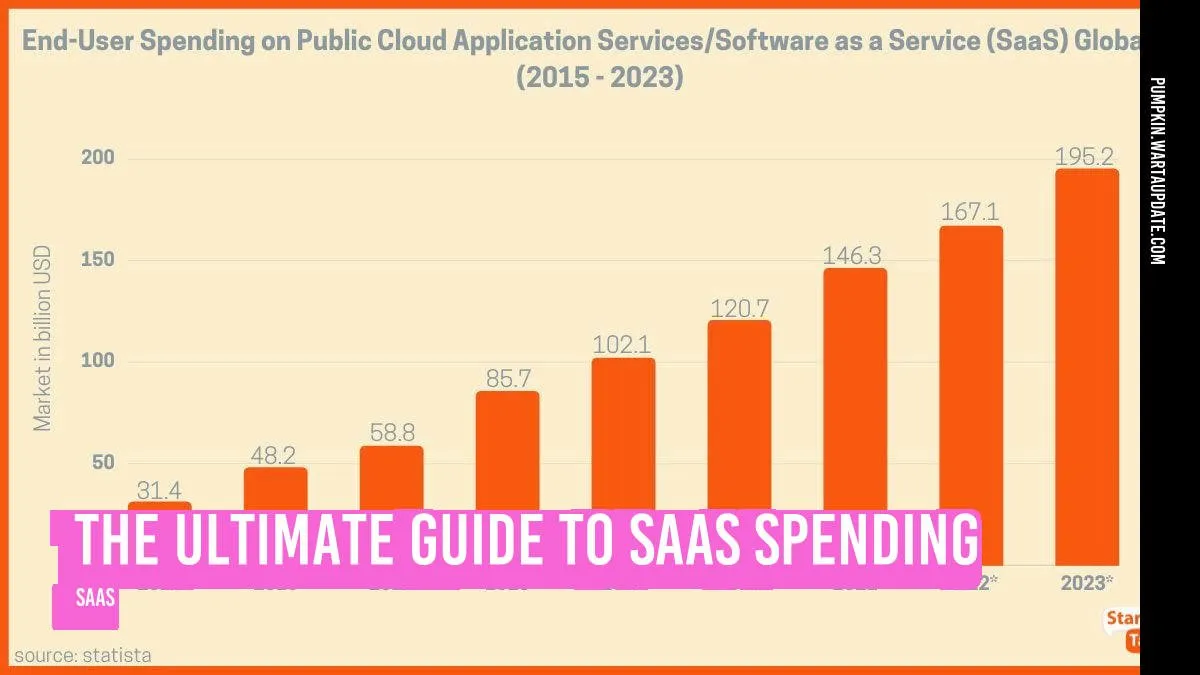
Welcome to the ultimate guide to Saas spending! If you’ve ever found yourself overwhelmed by the myriad of choices when it comes to Software as a Service (SaaS) products, you’re not alone. With so many options available, it can be hard to navigate the world of subscription-based software efficiently without breaking the bank. In this comprehensive guide, we will break down everything you need to know about Saas spending, from understanding pricing models to tips for optimizing your budget. Let’s dive in and make sure you’re getting the most out of your Saas investments.
Understanding Saas Spending Models
When it comes to Software as a Service (Saas), understanding the spending models is crucial for businesses looking to make informed decisions. Saas spending models can vary depending on the provider and the services offered, so it’s important to have a clear understanding of how you will be charged before committing to a subscription. Here, we will break down the different Saas spending models and provide examples to help you navigate the world of Saas spending.
The most common Saas spending model is the subscription-based model, where businesses pay a recurring fee to access the software for a set period of time. This model is popular because it allows businesses to budget effectively and pay for only what they need. With subscription-based pricing, businesses can choose from different tiers of service based on their needs, with higher tiers usually offering more features and functionalities. For example, a business may choose a basic subscription plan for a project management tool that includes essential features like task management and collaboration tools, or opt for a premium plan that includes additional features like reporting and advanced integrations.
Another Saas spending model is usage-based pricing, where businesses are charged based on the amount of resources they consume. This model is particularly popular for services like cloud storage or data processing, where businesses pay for the amount of data they store or process. For example, a business may pay a set price per gigabyte of data stored in the cloud, or per hour of data processing. Usage-based pricing can be beneficial for businesses with fluctuating demand, as they only pay for what they use.
Some Saas providers offer a freemium model, where businesses can access a basic version of the software for free, with the option to upgrade to a premium version for additional features and functionalities. This model allows businesses to try out the software before committing to a paid subscription, making it a popular choice for businesses looking to test out different options before making a decision. Freemium models can be a cost-effective way for businesses to explore different Saas solutions and find the one that best fits their needs.
Lastly, some Saas providers offer a pay-per-user pricing model, where businesses are charged a set price for each user that accesses the software. This model is common for collaboration tools and communication platforms, where businesses pay based on the number of employees using the software. Pay-per-user pricing can be beneficial for businesses with a large number of employees, as they can scale their subscription based on their workforce.
Understanding Saas spending models is essential for businesses looking to make informed decisions about their software investments. By familiarizing yourself with the different pricing models, you can choose the option that best fits your budget and needs. Whether you opt for a subscription-based model, usage-based pricing, freemium model, or pay-per-user pricing, knowing how you will be charged can help you make the most of your Saas investment.
Effective Budgeting for Saas Expenses
When it comes to managing Saas expenses, effective budgeting is key to ensuring that your organization gets the most out of its investment. By carefully planning and monitoring your spending on Saas tools, you can optimize your budget and make informed decisions about which tools to invest in. Here are some tips on how to effectively budget for Saas expenses:
1. Conduct a thorough assessment of your current Saas tools and their usage: Before you can create a budget for Saas expenses, it is important to understand what tools your organization is currently using and how they are being utilized. Conduct a thorough assessment of all Saas tools in use, including their costs, features, and user adoption rates. This will help you identify any redundant or underutilized tools that can be eliminated or consolidated, which can help reduce costs.
2. Set clear goals and priorities for Saas spending: It is important to establish clear goals and priorities for your Saas spending to ensure that you are investing in tools that align with your organization’s objectives. Determine what specific business outcomes you want to achieve with your Saas tools, whether it is improving efficiency, increasing productivity, or enhancing customer experience. By setting clear goals, you can prioritize your spending on tools that will have the greatest impact on your organization.
3. Create a detailed budget for Saas expenses: Once you have identified your goals and priorities for Saas spending, create a detailed budget that outlines how much you can allocate to each tool or category. Consider factors such as subscription costs, implementation fees, training expenses, and any additional costs associated with using the tool. Be sure to account for potential fluctuations in costs, such as price increases or additional user licenses, to avoid any surprises down the line.
4. Monitor and track spending on Saas tools: After you have created a budget for Saas expenses, it is important to continuously monitor and track your spending to ensure that you are staying within budget. Regularly review your expenses against your budget to identify any overspending or areas where costs can be cut. Consider using Saas management tools or expense tracking software to streamline this process and gain insights into your spending habits.
5. Evaluate the ROI of your Saas investments: In addition to monitoring your spending, it is important to regularly evaluate the return on investment (ROI) of your Saas tools. Assess whether your investments are delivering the desired outcomes and if they are providing value to your organization. If a tool is not meeting expectations or is no longer essential to your operations, consider reallocating those funds to investments that will yield a higher ROI.
By following these tips for effective budgeting for Saas expenses, you can optimize your spending, improve your organization’s efficiency, and make informed decisions about which tools to invest in. Remember to regularly review and adjust your budget as needed to accommodate changes in your organization’s needs and goals.
Strategies for Optimizing Saas Spending
When it comes to optimizing your Saas spending, there are a few key strategies that can help you get the most bang for your buck. One of the first things you should do is conduct a thorough audit of your current Saas usage. Take stock of all the Saas tools and services your organization is currently using, and evaluate whether each one is truly necessary. Often, companies end up paying for Saas subscriptions that are no longer needed or have become redundant. By cutting out these unnecessary expenses, you can free up funds to invest in more critical tools or services.
Another important strategy for optimizing Saas spending is negotiating with your Saas providers. Many Saas vendors are willing to negotiate on pricing, especially if you have been a long-time customer or are willing to commit to a longer-term contract. Reach out to your Saas providers and see if you can strike a deal that better fits your budget. You may be surprised at how much you can save by simply asking for a discount.
Furthermore, consider consolidating your Saas tools and services with a single provider. By bundling multiple tools or services together with one vendor, you may be able to take advantage of volume discounts or reduced pricing. Additionally, having all your Saas tools under one roof can streamline your operations and make it easier to manage your subscriptions. This can lead to cost savings in the long run.
Additionally, regularly review your Saas usage and spend to ensure you are getting the most value out of your subscriptions. Keep track of key metrics, such as user adoption rates, utilization rates, and ROI, to gauge the effectiveness of your Saas investments. If you find that certain tools or services are not being used to their full potential, consider scaling back or reallocating resources to more useful tools.
Finally, consider implementing a Saas management tool or platform to help monitor and optimize your Saas spending. These tools can provide insights into your usage patterns, identify areas for cost savings, and even automate the procurement and renewal process. By leveraging technology to manage your Saas spending more effectively, you can ensure that you are getting the most value out of your Saas investments.
Importance of Tracking Saas Costs
When it comes to managing a business, it is important to keep track of all expenses, including Software as a Service (Saas) costs. Saas spending can quickly add up and if not monitored properly, it can lead to overspending and budgeting issues. By tracking Saas costs, businesses can gain a better understanding of where their money is going, identify any unnecessary expenses, and make informed decisions about which Saas subscriptions are providing the most value.
One of the key reasons why tracking Saas costs is crucial is because it allows businesses to stay within their budget. Without keeping a close eye on Saas expenses, it is easy for a company to unknowingly exceed their budget and risk financial strain. By monitoring and analyzing Saas costs regularly, businesses can identify any subscription services that are not being utilized to their full potential and make adjustments accordingly.
Furthermore, tracking Saas costs can also help businesses optimize their spending. By understanding which Saas tools are actually being used and providing value to the organization, companies can make more strategic decisions about where to allocate their resources. This can help businesses avoid wasting money on unnecessary subscriptions and instead focus on investing in the tools that are truly beneficial for their operations.
In addition to budget management and optimization, tracking Saas costs also plays a role in ensuring data security and compliance. Many Saas subscriptions involve handling sensitive data, and without proper oversight, businesses may unknowingly be putting their data at risk. By keeping track of all Saas expenses, companies can have a clear picture of the type of data being managed by each tool and take the necessary precautions to maintain data security and compliance with regulations.
Lastly, tracking Saas costs can also help businesses negotiate better deals with vendors. By having a detailed understanding of their Saas spending, companies are in a better position to negotiate contracts and pricing with vendors. This can lead to cost savings in the long run and help businesses get the most value out of their Saas investments.
In conclusion, tracking Saas costs is an essential practice for businesses that want to effectively manage their expenses, optimize their spending, ensure data security, and negotiate better deals with vendors. By keeping a close eye on Saas spending, companies can make informed decisions about their subscription services and ultimately drive greater value for their organization.
Evaluating ROI on Saas Investments
When it comes to evaluating the return on investment (ROI) on Saas investments, there are several key factors to consider. The first step is to determine the initial cost of the Saas subscription. This includes the upfront fees, monthly or annual subscription costs, and any additional fees for customizations or integrations. It’s important to have a clear understanding of the total investment made in the Saas platform.
Next, it’s essential to measure the benefits that the Saas platform brings to your organization. This could include increased efficiency, improved collaboration among teams, streamlined processes, or cost savings in other areas. These benefits should be quantifiable and measurable in order to accurately assess the ROI.
One way to evaluate the ROI on Saas investments is to compare the cost savings or revenue increase generated by the Saas platform against the initial investment. For example, if the Saas platform helps reduce operational costs by automating manual tasks, you can calculate the cost savings over a period of time and compare it to the initial investment.
Another important factor to consider when evaluating ROI on Saas investments is the time it takes to see a return. Some Saas platforms may have a longer implementation process, which could delay the realization of benefits. It’s important to factor in the time it takes to fully implement the platform and start seeing results.
In addition to cost savings and revenue increases, it’s also important to consider the intangible benefits of the Saas platform. This could include improved customer satisfaction, greater employee engagement, or enhanced decision-making capabilities. While these benefits may be harder to quantify, they can still have a significant impact on the overall ROI of the Saas investment.
Lastly, it’s crucial to continually monitor and track the ROI of your Saas investments. This involves regularly evaluating the performance of the platform, collecting feedback from users, and making adjustments as needed. By staying proactive and responsive to the needs of your organization, you can maximize the ROI on your Saas investments.
Originally posted 2025-08-02 11:00:00.